Sleep is one of the most important pillars of human health, yet millions of people continue to ignore serious sleep-related problems. Among them, sleep apnea has emerged as one of the most dangerous and underdiagnosed medical conditions worldwide. According to researchers, nearly one billion people globally may be affected by obstructive sleep apnea (OSA), making it a major public health concern.
A recent research-based article published by The Conversation highlights how sleep apnea affects far more than sleep quality. Neuroscientists emphasize that untreated sleep apnea can contribute to cardiovascular disease, memory decline, dementia, stroke, and reduced quality of life.
What Is Sleep Apnea?
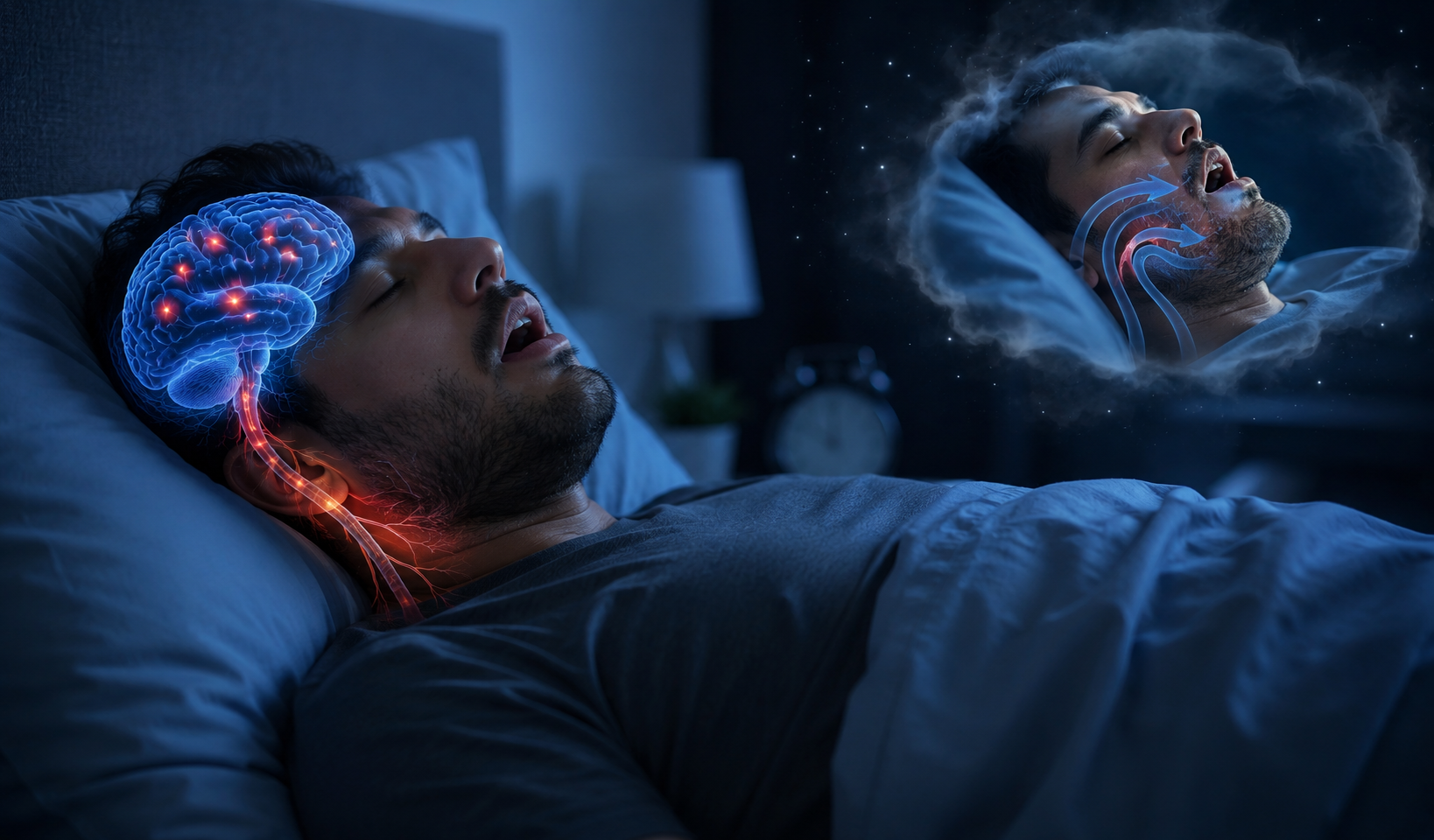
Sleep apnea is a sleep disorder in which breathing repeatedly stops and starts during sleep. The most common form is obstructive sleep apnea (OSA), caused by blockage or collapse of the airway during sleep.
These breathing interruptions, called apneas or hypopneas, may occur dozens or even hundreds of times every hour. Many episodes last around 20 seconds, reducing oxygen supply to the brain and body.
Common symptoms include:
- Loud snoring
- Excessive daytime sleepiness
- Morning headaches
- Waking up gasping for air
- Poor concentration
- Fatigue
- Irritability
- Insomnia or restless sleep
Many people remain unaware they have sleep apnea because the interruptions occur during sleep and are often noticed first by bed partners.
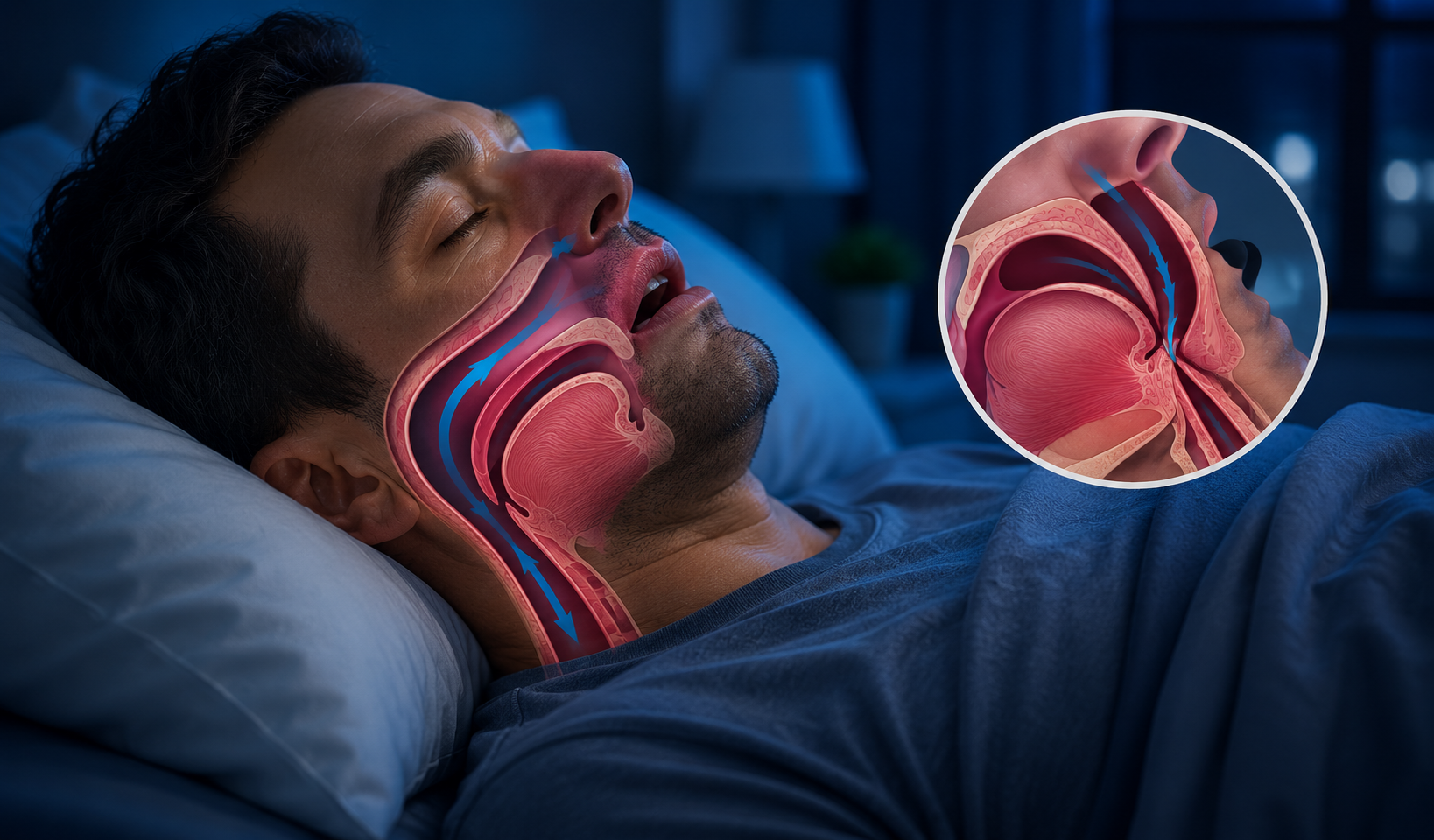
This image was generated using ChatGPT AI for illustrative and educational purposes only. It is not intended for medical diagnosis or treatment. Please consult a qualified healthcare professional for medical advice regarding sleep disorders or sleep apnea.
Why Sleep Apnea Is More Dangerous Than People Think
Sleep apnea is not simply a nighttime breathing issue. Medical researchers increasingly recognize it as a whole-body disorder affecting cardiovascular, neurological, and metabolic health.
Repeated oxygen deprivation during sleep places tremendous stress on the body. When oxygen levels drop, the body responds by increasing heart rate and blood pressure. Over time, this repeated stress damages blood vessels and major organs.
Increased Risk of Cardiovascular Disease
Research shows untreated sleep apnea significantly increases the risk of:
- High blood pressure (hypertension)
- Heart attack
- Heart failure
- Irregular heartbeat (arrhythmia)
- Stroke
According to the American Heart Association, sleep apnea is strongly associated with cardiovascular complications because disrupted breathing affects oxygen circulation and increases inflammation throughout the body.
Studies published by the National Institutes of Health also indicate that moderate to severe sleep apnea may double the risk of stroke and heart-related mortality.
Sleep Apnea and Brain Health
One of the most alarming findings from recent research is the connection between sleep apnea and cognitive decline.
The brain requires stable oxygen levels and uninterrupted sleep cycles to function properly. Sleep apnea disrupts both. Researchers now believe chronic oxygen deprivation and fragmented sleep may accelerate neurodegenerative diseases such as:
- Alzheimer’s disease
- Parkinson’s disease
- Dementia
- Memory impairment
Scientists have observed that untreated sleep apnea may damage regions of the brain involved in memory, concentration, and emotional regulation.
The article published in The Conversation explains that poor oxygen supply combined with sleep disruption may increase long-term neurological risks, especially in aging adults.
Why Sleep Apnea Often Goes Undiagnosed
Despite its serious health effects, sleep apnea remains widely underdiagnosed worldwide.
One reason is that many people associate sleep apnea only with overweight older men. However, the condition affects people across all age groups, genders, and body types.
Researchers emphasize that women are particularly underdiagnosed because their symptoms may differ from traditional screening criteria.
Sleep Apnea Symptoms in Women
Women with sleep apnea may experience:
- Depression
- Anxiety
- Insomnia
- Chronic fatigue
- Morning migraines
- Mood changes
Because these symptoms differ from classic loud snoring and daytime sleepiness, healthcare providers may overlook sleep apnea during routine medical evaluations.
Hormonal changes during pregnancy and menopause can also influence airway function and breathing patterns during sleep.
Obesity and the Growing Global Sleep Apnea Crisis
The worldwide increase in obesity rates has contributed significantly to rising sleep apnea cases.
Excess body fat around the neck and upper airway increases the likelihood of airway collapse during sleep. Aging populations also contribute to higher prevalence because muscle tone decreases over time.
Researchers estimate that obstructive sleep apnea is becoming one of the fastest-growing chronic health conditions globally.
Modern Treatments for Sleep Apnea
The good news is that sleep apnea is highly treatable when properly diagnosed.
CPAP Therapy
The most common treatment is Continuous Positive Airway Pressure (CPAP) therapy.
A CPAP machine delivers constant airflow through a mask, keeping the airway open during sleep.
Benefits of CPAP therapy include:
- Better sleep quality
- Reduced snoring
- Improved daytime alertness
- Lower blood pressure
- Reduced cardiovascular risk
However, many patients struggle to tolerate CPAP masks due to discomfort or noise.
Alternative Treatments
For patients unable to tolerate CPAP, several alternative therapies are now available.
Oral Appliances
Custom dental devices reposition the jaw and tongue to improve airflow during sleep.
Positional Therapy
Some patients experience worse symptoms when sleeping on their back. Positional therapy helps encourage side-sleeping.
Myofunctional Therapy
Exercises targeting the tongue and throat muscles may improve airway stability.
Implantable Nerve Stimulation Devices
Newer technologies stimulate airway muscles during sleep to prevent obstruction.
New GLP-1 Weight Loss Drugs and Sleep Apnea
In late 2024, the U.S. Food and Drug Administration approved tirzepatide for treating obstructive sleep apnea in certain patients with obesity.
Tirzepatide is the active ingredient in medications such as:
- Mounjaro
- Zepbound
The treatment works primarily by promoting weight loss, which can reduce airway obstruction and improve breathing during sleep.
This approval reflects growing scientific recognition that obesity and sleep apnea are deeply interconnected.
Racial and Healthcare Disparities in Diagnosis
Researchers also warn that healthcare disparities contribute to unequal diagnosis and treatment.
Pulse oximeters, commonly used to measure blood oxygen levels, may be less accurate in people with darker skin tones. This can lead to underestimation of sleep apnea severity.
In the United States, studies show minority populations are less likely to receive long-term CPAP treatment coverage despite often experiencing more severe disease.
These disparities highlight the urgent need for better screening methods and more inclusive medical research.
How Sleep Apnea Is Diagnosed
Diagnosis usually involves a sleep study known as polysomnography.
Today, many patients can complete home sleep apnea tests instead of overnight hospital stays.
A sleep study typically monitors:
- Breathing patterns
- Oxygen levels
- Heart rate
- Brain activity
- Body movements
Doctors calculate an Apnea-Hypopnea Index (AHI) to determine severity.
Warning Signs You Should Never Ignore
You should speak with a healthcare provider if you experience:
- Loud chronic snoring
- Daytime exhaustion
- Waking up choking or gasping
- Morning headaches
- Poor memory or concentration
- Frequent nighttime urination
- High blood pressure with poor sleep
Early diagnosis can dramatically reduce long-term health risks.
The Importance of Sleep Health
Modern healthcare often focuses heavily on diet and exercise while overlooking sleep quality. Yet sleep directly influences heart health, brain function, metabolism, immunity, and emotional well-being.
Sleep apnea demonstrates how untreated sleep disorders can silently damage health for years before diagnosis.
Greater awareness, improved screening, and access to treatment are essential to reducing the global burden of sleep apnea.
As neuroscientists highlighted in the original article from The Conversation, starting a conversation with a healthcare provider may be the first step toward better sleep, improved health, and a longer life.