ABC Science

Medical & Health Sciences

Sleep Apnea: The Silent Sleep Disorder Increasing Risks of Heart Disease, Stroke, and Dementia

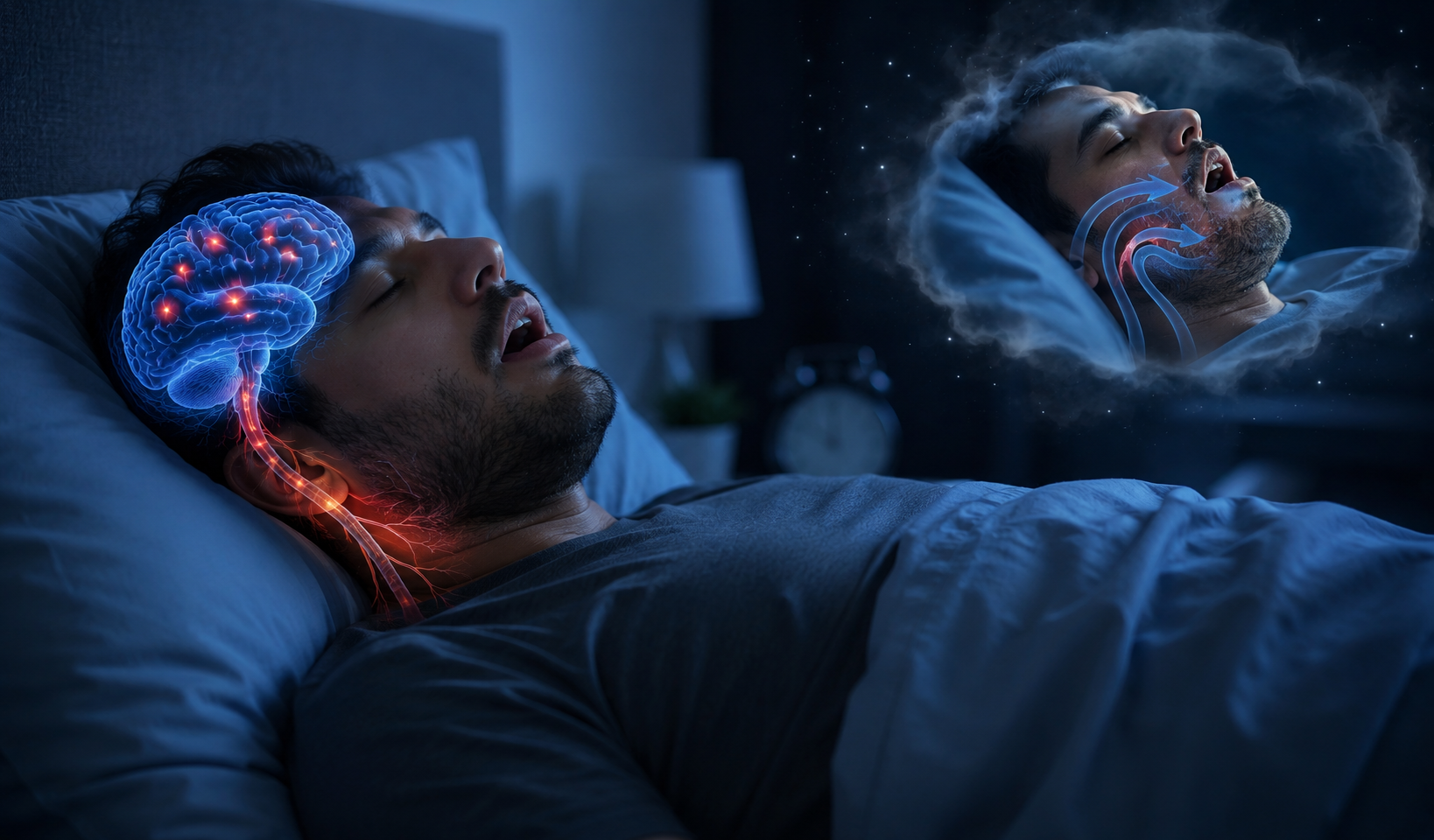
Sleep is one of the most important pillars of human health, yet millions of people continue to ignore serious sleep-related problems. Among them, sleep apnea has emerged as one of the most dangerous and underdiagnosed medical conditions worldwide. According to researchers, nearly one billion people globally may be affected by obstructive sleep apnea (OSA), making it a major public health concern. A recent research-based article published by The Conversation highlights how sleep apnea affects far more than sleep quality. Neuroscientists emphasize that untreated sleep apnea can contribute to cardiovascular disease, memory decline, dementia, stroke, and reduced quality of life. What Is Sleep Apnea? Sleep apnea is a sleep disorder in which breathing repeatedly stops and starts during sleep. The most common form is obstructive sleep apnea (OSA), caused by blockage or collapse of the airway during sleep. These breathing interruptions, called apneas or hypopneas, may occur dozens or even hundreds of times every hour. Many episodes last around 20 seconds, reducing oxygen supply to the brain and body. Common symptoms include: Loud snoring Excessive daytime sleepiness Morning headaches Waking up gasping for air Poor concentration Fatigue Irritability Insomnia or restless sleep Many people remain unaware they have sleep apnea because the interruptions occur during sleep and are often noticed first by bed partners. This image was generated using ChatGPT AI for illustrative and educational purposes only. It is not intended for medical diagnosis or treatment. Please consult a qualified healthcare professional for medical advice regarding sleep disorders or sleep apnea. Why Sleep Apnea Is More Dangerous Than People Think Sleep apnea is not simply a nighttime breathing issue. Medical researchers increasingly recognize it as a whole-body disorder affecting cardiovascular, neurological, and metabolic health. Repeated oxygen deprivation during sleep places tremendous stress on the body. When oxygen levels drop, the body responds by increasing heart rate and blood pressure. Over time, this repeated stress damages blood vessels and major organs. Increased Risk of Cardiovascular Disease Research shows untreated sleep apnea significantly increases the risk of: High blood pressure (hypertension) Heart attack Heart failure Irregular heartbeat (arrhythmia) Stroke According to the American Heart Association, sleep apnea is strongly associated with cardiovascular complications because disrupted breathing affects oxygen circulation and increases inflammation throughout the body. Studies published by the National Institutes of Health also indicate that moderate to severe sleep apnea may double the risk of stroke and heart-related mortality. Sleep Apnea and Brain Health One of the most alarming findings from recent research is the connection between sleep apnea and cognitive decline. The brain requires stable oxygen levels and uninterrupted sleep cycles to function properly. Sleep apnea disrupts both. Researchers now believe chronic oxygen deprivation and fragmented sleep may accelerate neurodegenerative diseases such as: Alzheimer’s disease Parkinson’s disease Dementia Memory impairment Scientists have observed that untreated sleep apnea may damage regions of the brain involved in memory, concentration, and emotional regulation. The article published in The Conversation explains that poor oxygen supply combined with sleep disruption may increase long-term neurological risks, especially in aging adults. Why Sleep Apnea Often Goes Undiagnosed Despite its serious health effects, sleep apnea remains widely underdiagnosed worldwide. One reason is that many people associate sleep apnea only with overweight older men. However, the condition affects people across all age groups, genders, and body types. Researchers emphasize that women are particularly underdiagnosed because their symptoms may differ from traditional screening criteria. Sleep Apnea Symptoms in Women Women with sleep apnea may experience: Depression Anxiety Insomnia Chronic fatigue Morning migraines Mood changes Because these symptoms differ from classic loud snoring and daytime sleepiness, healthcare providers may overlook sleep apnea during routine medical evaluations. Hormonal changes during pregnancy and menopause can also influence airway function and breathing patterns during sleep. Obesity and the Growing Global Sleep Apnea Crisis The worldwide increase in obesity rates has contributed significantly to rising sleep apnea cases. Excess body fat around the neck and upper airway increases the likelihood of airway collapse during sleep. Aging populations also contribute to higher prevalence because muscle tone decreases over time. Researchers estimate that obstructive sleep apnea is becoming one of the fastest-growing chronic health conditions globally. Modern Treatments for Sleep Apnea The good news is that sleep apnea is highly treatable when properly diagnosed. CPAP Therapy The most common treatment is Continuous Positive Airway Pressure (CPAP) therapy. A CPAP machine delivers constant airflow through a mask, keeping the airway open during sleep. Benefits of CPAP therapy include: Better sleep quality Reduced snoring Improved daytime alertness Lower blood pressure Reduced cardiovascular risk However, many patients struggle to tolerate CPAP masks due to discomfort or noise. Alternative Treatments For patients unable to tolerate CPAP, several alternative therapies are now available. Oral Appliances Custom dental devices reposition the jaw and tongue to improve airflow during sleep. Positional Therapy Some patients experience worse symptoms when sleeping on their back. Positional therapy helps encourage side-sleeping. Myofunctional Therapy Exercises targeting the tongue and throat muscles may improve airway stability. Implantable Nerve Stimulation Devices Newer technologies stimulate airway muscles during sleep to prevent obstruction. New GLP-1 Weight Loss Drugs and Sleep Apnea In late 2024, the U.S. Food and Drug Administration approved tirzepatide for treating obstructive sleep apnea in certain patients with obesity. Tirzepatide is the active ingredient in medications such as: Mounjaro Zepbound The treatment works primarily by promoting weight loss, which can reduce airway obstruction and improve breathing during sleep. This approval reflects growing scientific recognition that obesity and sleep apnea are deeply interconnected. Racial and Healthcare Disparities in Diagnosis Researchers also warn that healthcare disparities contribute to unequal diagnosis and treatment. Pulse oximeters, commonly used to measure blood oxygen levels, may be less accurate in people with darker skin tones. This can lead to underestimation of sleep apnea severity. In the United States, studies show minority populations are less likely to receive long-term CPAP treatment coverage despite often experiencing more severe disease. These disparities highlight the urgent need for better screening methods and more inclusive medical research. How Sleep Apnea Is

Read More »
Medical & Health Sciences

Hormones and Anti‑Ageing: How Science Could End Wrinkles and Grey Hair

Hormones are emerging as powerful tools in the fight against ageing, with new research showing how compounds like melatonin, estrogen, and growth hormone could help prevent wrinkles and grey hair. Scientists believe these naturally occurring substances may lead to future therapies that rejuvenate skin and hair by targeting cellular ageing processes. Introduction: The Promise of Hormone-Based Anti-Ageing Ageing is a universal process, but its visible signs—wrinkles, sagging skin, and greying hair—are often accelerated by environmental stressors. A landmark review in Endocrine Reviews (2025) highlights how hormones orchestrate skin ageing and how they might be harnessed to slow or even reverse these changes. The Dual Nature of Skin Ageing Intrinsic ageing: Driven by genetics and natural biological decline. Extrinsic ageing: Caused by UV radiation, pollution, and lifestyle factors. Both processes overlap, leading to oxidative stress, DNA damage, and connective tissue breakdown. Hormones influence these pathways directly, making them central to anti-ageing research. Key Hormones in Anti-Ageing Melatonin: Known for regulating sleep, it also acts as a potent antioxidant, protecting skin cells from UV damage and oxidative stress. Estrogens: Improve skin elasticity, hydration, and collagen production. Growth hormone & IGF-1: Support stem cell survival and tissue regeneration. Melanocyte-stimulating hormone: Regulates pigmentation, potentially preventing hair greying. Oxytocin: Shields skin from UV damage and promotes repair. Retinoids: Already widely used in skincare, they stimulate collagen and reduce fine lines. Skin as an Endocrine Organ The skin is not just a passive target—it produces hormones itself. Hair follicles, for example, act as “mini-organs” with neuroendocrine functions. This means therapies could be applied topically to stimulate local hormone activity, reducing systemic side effects. Senotherapeutics: Clearing Ageing Cells One of the most exciting prospects is senotherapeutics—drugs that target senescent cells, which accumulate with age and contribute to wrinkles and pigment loss. By removing or neutralizing these cells, senotherapeutics could rejuvenate skin and hair. Hormone-based therapies may work synergistically with these drugs, offering a dual approach to anti-ageing. Risks and Challenges Safety concerns: Hormone therapies can have systemic effects; long-term studies are essential. Individual variability: Age, sex, and health conditions influence hormonal balance. Regulation: Clinical trials and ethical oversight will be critical before widespread use. Future Directions Topical hormone treatments: Creams or serums delivering melatonin or estrogen locally. Combination therapies: Hormones plus senotherapeutics for maximum rejuvenation. Personalized medicine: Tailoring treatments based on genetic and hormonal profiles. Conclusion Hormones like melatonin, estrogen, and growth hormone are redefining how we think about ageing. By targeting both intrinsic and extrinsic pathways, they could help prevent wrinkles and grey hair, while senotherapeutics promise to clear ageing cells altogether. Though challenges remain, the future of anti-ageing medicine may lie in harnessing the body’s own endocrine system. References Markus Böhm, Agatha Stegemann, Ralf Paus, Konrad Kleszczyński, Pallab Maity, Meinhard Wlaschek, Karin Scharffetter-Kochanek, Endocrine Controls of Skin Aging, Endocrine Reviews, Volume 46, Issue 3, June 2025, Pages 349–375, https://doi.org/10.1210/endrev/bnae034 Bocheva, G., Slominski, R. M., & Slominski, A. T. (2019). Neuroendocrine Aspects of Skin Aging. International journal of molecular sciences, 20(11), 2798. https://doi.org/10.3390/ijms20112798

Read More »
Medical & Health Sciences

When Chronic Kidney Infection Turns Irreversible: Why Nephrectomy Becomes Necessary in Non-Functioning Kidneys

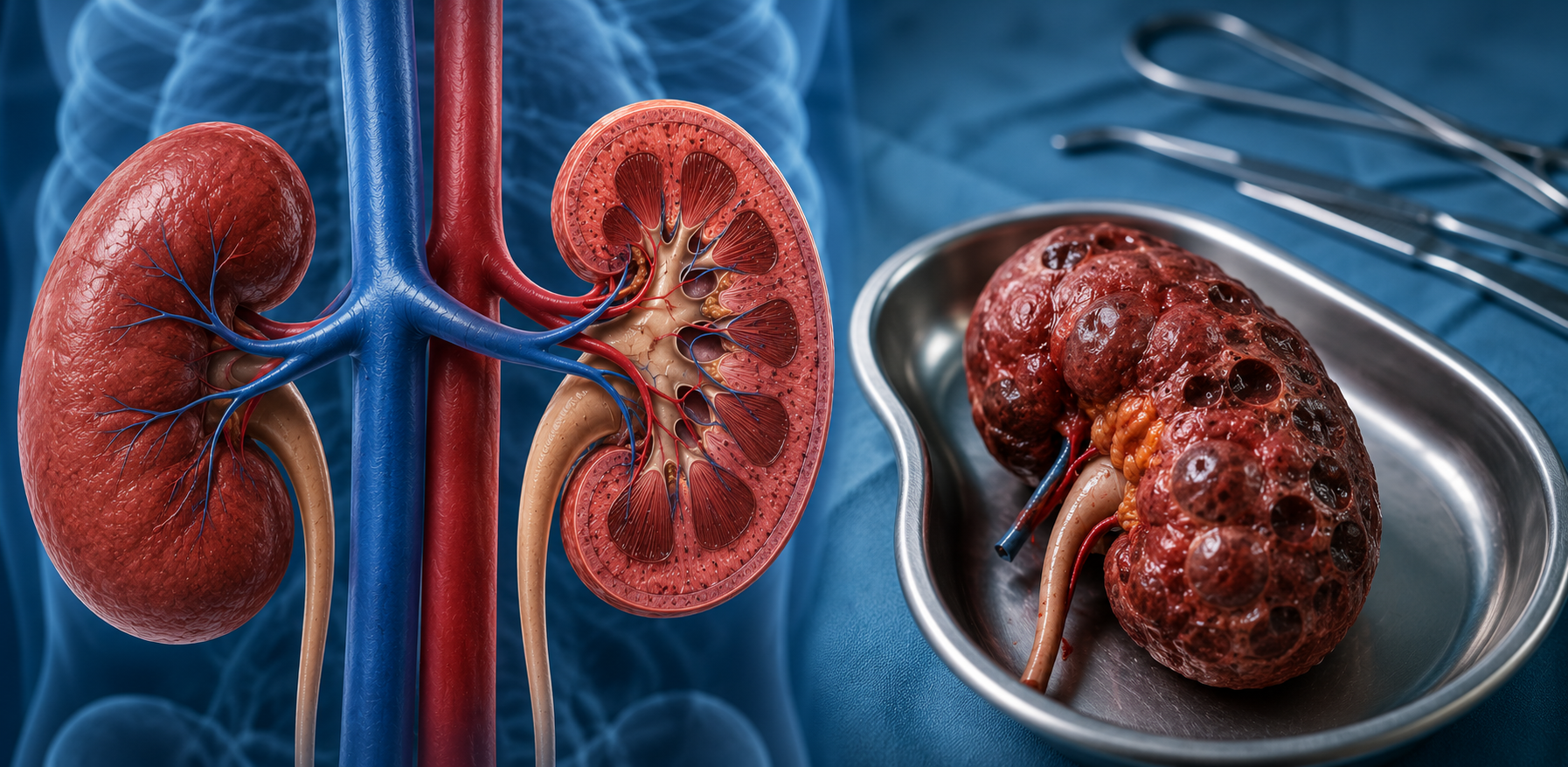
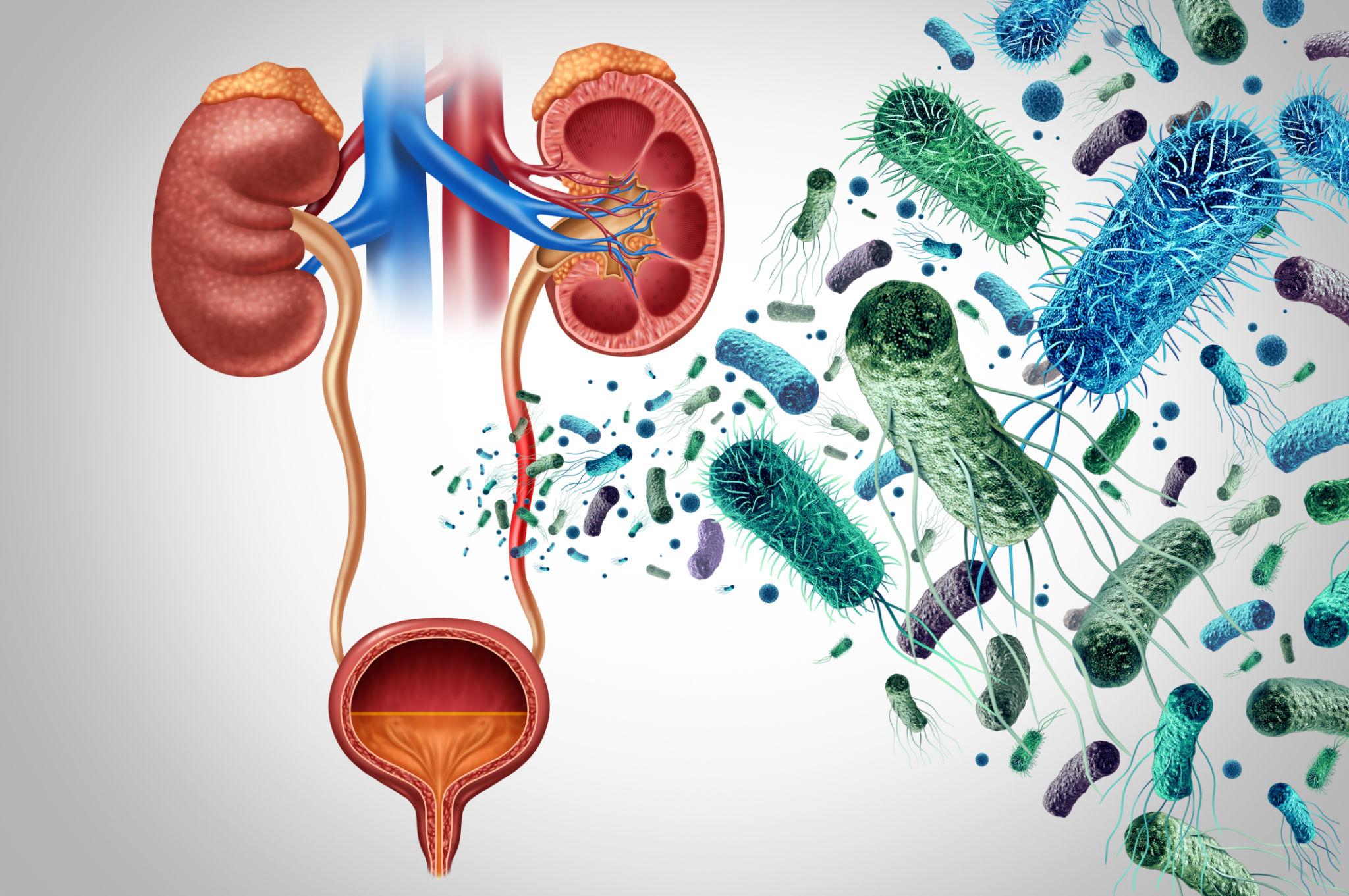
Chronic kidney infections are often underestimated until they progress to irreversible damage. Among these, chronic pyelonephritis stands out as a condition that can quietly deteriorate renal function over months or years. In advanced cases, the affected kidney may lose functionality entirely – leaving surgical removal, or nephrectomy, as the only viable treatment. Recent clinical observations and published case reports highlight how delayed diagnosis and persistent infection can lead to this outcome, emphasizing the importance of early intervention and structured management. Understanding Chronic Pyelonephritis Chronic pyelonephritis is a long-term inflammatory disorder of the kidney caused by recurrent or persistent bacterial infections. Unlike acute infections, which present with sudden and severe symptoms, chronic cases develop gradually and are often linked to structural abnormalities or urinary obstruction. Over time, repeated inflammation leads to renal scarring, tubular atrophy, interstitial fibrosis, and progressive loss of kidney function. Evidence from studies indexed by the National Institutes of Health shows that untreated or poorly managed infections can permanently alter renal architecture, ultimately resulting in functional decline (read the full study on PubMed Central). Why Do Kidneys Become Non-Functional? A kidney becomes non-functional when its filtration capacity is severely compromised. This is typically the result of prolonged pathological processes such as chronic infection, obstructive uropathy, hydronephrosis (urine accumulation causing swelling), renal calculi, and vesicoureteral reflux. Clinical insights suggest that obstruction combined with infection accelerates tissue destruction. In such cases, even interventions like drainage procedures may fail to restore function. A detailed clinical overview is available in this urology article on acute pyelonephritis. Further supporting research can be explored through studies published on ScienceDirect and Oxford Academic (OFID). Clinical Presentation: Subtle but Progressive One of the challenges in managing chronic pyelonephritis is its often non-specific presentation. Patients may experience persistent dull flank pain, recurrent fever episodes, fatigue, dysuria, and occasionally hematuria. As renal function declines, symptoms become more pronounced. However, by this stage, significant and often irreversible damage may already have occurred. Case Insight: Chronic Pyelonephritis Leading to Nephrectomy A case report published in the Journal of Pharmaceutical Research International provides a clear illustration of disease progression and management (read the full case report here). Patient Profile A 45-year-old male presented with a four-month history of abdominal pain localized to the left loin region, radiating toward the back. The pain was insidious, intermittent, and progressively worsening. The patient had previously undergone percutaneous nephrostomy (PCN) for severe hydronephrosis. Despite initial intervention, symptoms persisted and renal function continued to decline. Diagnostic Evaluation The diagnostic workup included ultrasonography and contrast-enhanced computed tomography (CECT). Imaging findings confirmed gross hydronephrosis, severe structural damage, and a non-functioning left kidney. These findings indicated irreversible renal impairment, making surgical intervention necessary. Nephrectomy: Indications and Rationale Nephrectomy, the surgical removal of a kidney, is typically considered when the risks of retaining a diseased organ outweigh its benefits. Common indications include non-functioning kidney, chronic infection resistant to treatment, severe obstruction, recurrent stone disease, traumatic injury, and malignancy. In cases of chronic pyelonephritis, nephrectomy helps eliminate the source of infection, prevent systemic complications, and relieve persistent pain. Surgical Management and Post-Operative Care In the reported case, the patient underwent a left simple nephrectomy. Post-operative management focused on infection control, pain relief, and gastrointestinal protection. Treatment included broad-spectrum antibiotics such as piperacillin–tazobactam, metronidazole for anaerobic coverage, proton pump inhibitors like pantoprazole, antiemetics such as ondansetron, and analgesics including tramadol and paracetamol. Close monitoring ensured stabilization and minimized the risk of complications. Outcome and Recovery The patient demonstrated a favorable recovery trajectory, with complete resolution of pain, no post-operative complications, and stable clinical parameters. This case reinforces that timely surgical intervention in advanced chronic pyelonephritis can lead to excellent outcomes when combined with appropriate medical care. Living with a Single Kidney Following nephrectomy, most individuals can lead normal and healthy lives with one functioning kidney. However, long-term care is essential. Patients are advised to maintain adequate hydration, monitor blood pressure, undergo regular kidney function tests, avoid nephrotoxic medications, and follow a balanced diet. Clinical evidence suggests that a single healthy kidney can effectively compensate for the loss of the other. Prevention and Clinical Implications Preventing chronic pyelonephritis depends largely on early detection and proper management of underlying conditions. Key strategies include prompt treatment of urinary tract infections, management of urinary obstruction, monitoring high-risk patients such as those with diabetes, and regular imaging in recurrent cases. From a clinical perspective, this condition highlights the importance of timely diagnosis, imaging, and intervention to prevent irreversible renal damage. Conclusion Chronic pyelonephritis remains a clinically significant condition with the potential to progress to irreversible kidney damage. When a kidney becomes non-functional, nephrectomy serves as a definitive and often necessary treatment. The presented case underscores the importance of early diagnosis, structured management, and timely surgical decision-making in improving patient outcomes. As research continues to evolve, emphasis on preventive care and early intervention remains essential in reducing the burden of chronic kidney disease. Reference National Institutes of Health. (n.d.). Chronic pyelonephritis and renal infection study. PubMed Central.https://pmc.ncbi.nlm.nih.gov/articles/PMC13097013/ Dr. Soarawee Urology. (2021, April 2). Acute pyelonephritis.https://drsoaraweeurology.com/2021/04/02/acute-pyelonephritis/ Elsevier. (2026). Article on renal infection and complications. ScienceDirect.https://www.sciencedirect.com/science/article/abs/pii/S0735675726000823 Oxford University Press. (2026). Study published in Open Forum Infectious Diseases.https://academic.oup.com/ofid/article/13/1/ofaf748/8417038 Morey, S. G., Sharma, R., & Ghungrud, D. (n.d.). Nephrectomy in patient of chronic pyelonephritis with non-functioning kidney on left side: A case report. Journal of Pharmaceutical Research International.https://journaljpri.com/index.php/JPRI/article/view/4850

Read More »