
ABC Science

ABC Science

Food Wastage: A Growing Environmental Threat and the Need for Sustainable Action

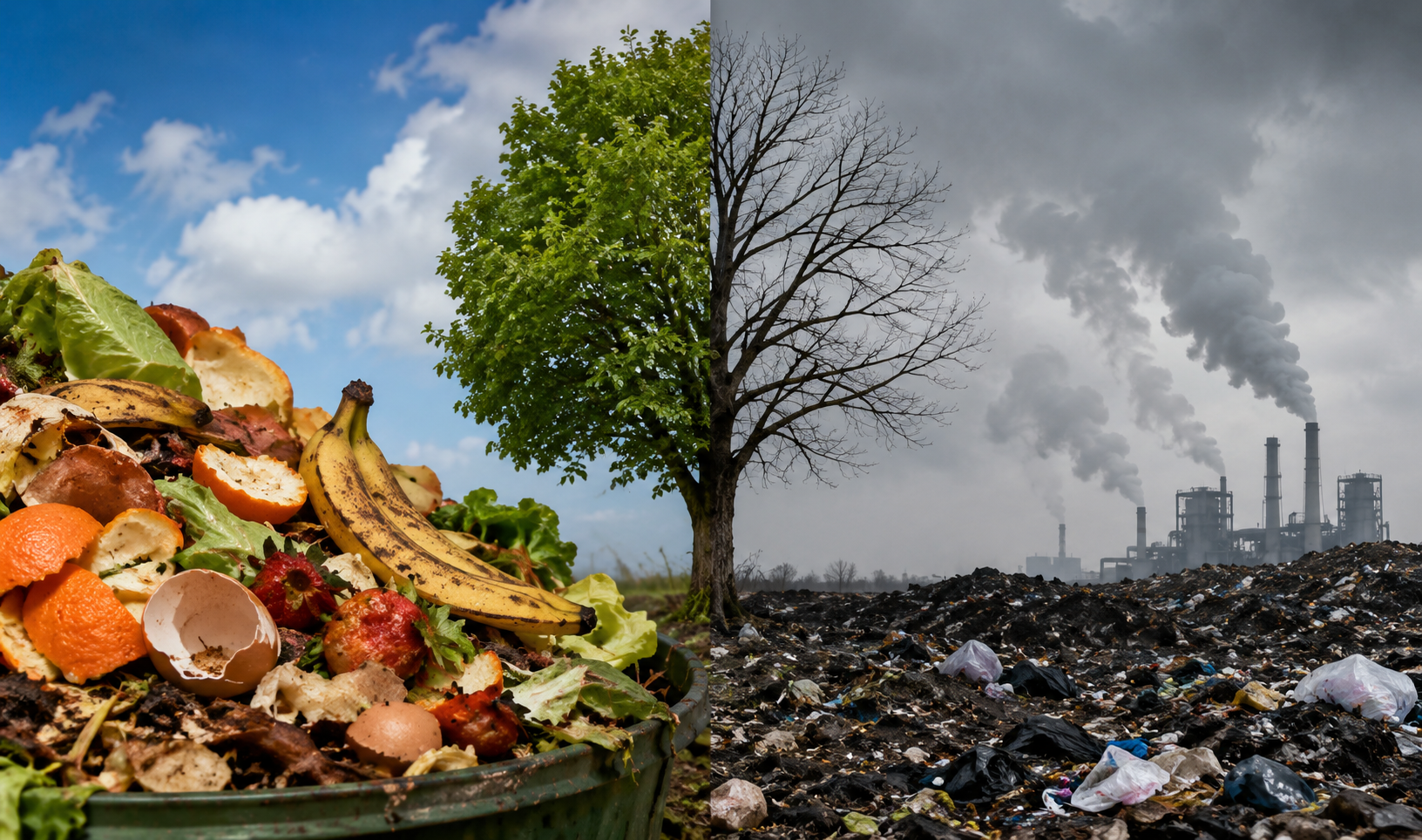
Food wastage has become one of the most serious environmental and social challenges across the world. Every year, millions of tonnes of edible food are discarded while a significant portion of the global population continues to suffer from hunger and malnutrition. The issue is not only about wasted food; it also involves the waste of water, energy, labor, land, and other valuable resources used in food production. According to the research paper “Food Wastage: A Threat to the Environment” by Priyanka Bhati and Kirtika Swami, food waste contributes heavily to environmental degradation, greenhouse gas emissions, and food insecurity. The global food supply chain is one of the most interconnected systems in the world, yet it remains highly unsustainable. Food that is still fit for human consumption is often discarded during retail, distribution, and household consumption stages. Improper food waste management leads to severe environmental consequences, including methane emissions from landfills, pollution of water bodies, and unnecessary pressure on natural resources. Understanding Food Waste Food Waste refers to edible food that is discarded or left unused at various stages of the supply chain. It commonly occurs due to over-purchasing, poor storage practices, large portion sizes, confusion regarding expiry dates, and excessive food preparation. Household consumption contributes significantly to food waste globally. In India, food wastage is a major concern despite the country being one of the world’s largest food producers. Millions of people still struggle with food insecurity and undernutrition. The contradiction between widespread hunger and large-scale food wastage highlights the urgent need for better food management practices. According to the UNEP Food Waste Index Report 2021, around 931 million tonnes of food are wasted globally every year, with households contributing the largest share. Indian households alone contribute approximately 68.7 million tonnes of food waste annually, averaging nearly 50 kilograms per person each year. You can read more about food waste on Wikipedia  and the official UNEP Food Waste Index Report 2021. Environmental Impact of Food Wastage Food wastage has devastating environmental impacts. When food is thrown away, all the resources used in producing, processing, transporting, and storing that food are also wasted. These include water, electricity, fuel, fertilizers, agricultural land, and labor. One of the most dangerous consequences of food waste is the production of methane gas in landfills. Organic food waste decomposes anaerobically in dumping sites, releasing methane, a greenhouse gas significantly more harmful than carbon dioxide in terms of global warming potential. The research highlighted that many respondents were aware that food waste produces methane gas, but fewer understood the long-term environmental damage caused by methane emissions. Methane contributes directly to Climate Change, rising global temperatures, and extreme weather conditions. Environmental experts have noted that if food waste were considered a country, it would rank as the third-largest emitter of greenhouse gases after China and United States. Additionally, food wastage contributes to: Water pollution Soil degradation Biodiversity loss Landfill accumulation Excessive use of natural resources Higher carbon footprint The United Nations Environment Programme estimates that food waste contributes approximately 8–10% of global greenhouse gas emissions. Major Causes of Food Wastage Food wastage occurs at multiple levels of society. The primary causes include: 1. Over-Purchasing Consumers often buy more food than required, especially during festivals, celebrations, and discount sales. Excess food frequently spoils before consumption. 2. Improper Storage Lack of proper refrigeration and storage facilities leads to spoilage of fruits, vegetables, dairy products, and cooked food. 3. Large Portion Sizes Restaurants, hotels, and households often prepare or serve excessive quantities of food, resulting in plate waste. 4. Confusion About Expiry Labels Many people misunderstand “best before” and “expiry” dates, causing edible food to be discarded unnecessarily. 5. Lack of Meal Planning Poor planning regarding meals and grocery shopping increases the chances of unused food being thrown away. 6. Cultural and Social Practices In many social gatherings and weddings, large amounts of food are prepared to showcase hospitality, leading to massive wastage. Findings from the Research Study The study conducted among 55 urban students revealed interesting insights regarding awareness and practices related to food waste management. Awareness Levels More than 90% of respondents had heard about food waste management. Around 87% were aware of the harmful environmental effects of food wastage. Nearly 78% knew that methane gas is produced from food waste in landfills. However, only around 54% understood the harmful environmental impact of methane gas. These findings indicate that while general awareness exists, deeper scientific understanding remains limited. Food Handling Practices The study also analyzed daily food management practices among respondents: Around 65% planned meals regularly. More than 70% considered food quantity before serving. Approximately 59% refrigerated leftover food. Nearly 76% checked expiry dates before purchasing food products. Although these practices are positive, inconsistencies were observed in food preservation, reuse of stored food, and proper disposal methods. Awareness About Government Initiatives The study found that awareness regarding initiatives by the Food Safety and Standards Authority of India was relatively high. However, knowledge regarding food waste laws and global reports remained limited. This highlights the importance of awareness campaigns and educational programs to encourage responsible food consumption habits. Sustainable Food Management Practices Sustainable food management focuses on reducing food waste through efficient consumption, storage, recycling, and redistribution practices. Proper food management can improve food security while protecting the environment. Meal Planning Planning meals helps households purchase only the required amount of food, minimizing spoilage and unnecessary waste. Food Preservation Traditional preservation methods such as pickling, drying, freezing, and making jams or sauces can extend food shelf life. Composting Food scraps can be converted into organic compost instead of being dumped in landfills. Food Donation Excess edible food can be donated to charities, food banks, and community kitchens. Awareness Campaigns Educational initiatives can encourage individuals to adopt responsible food consumption habits. According to discussions on Reddit, many users believe that portion control, improved storage systems, and food redistribution programs can significantly reduce household food waste. Need for Stronger Policies and Awareness The study emphasized the need for stronger policy implementation

Food Wastage: A Growing Environmental Threat and the Need for Sustainable Action Read More »
When Chronic Kidney Infection Turns Irreversible: Why Nephrectomy Becomes Necessary in Non-Functioning Kidneys

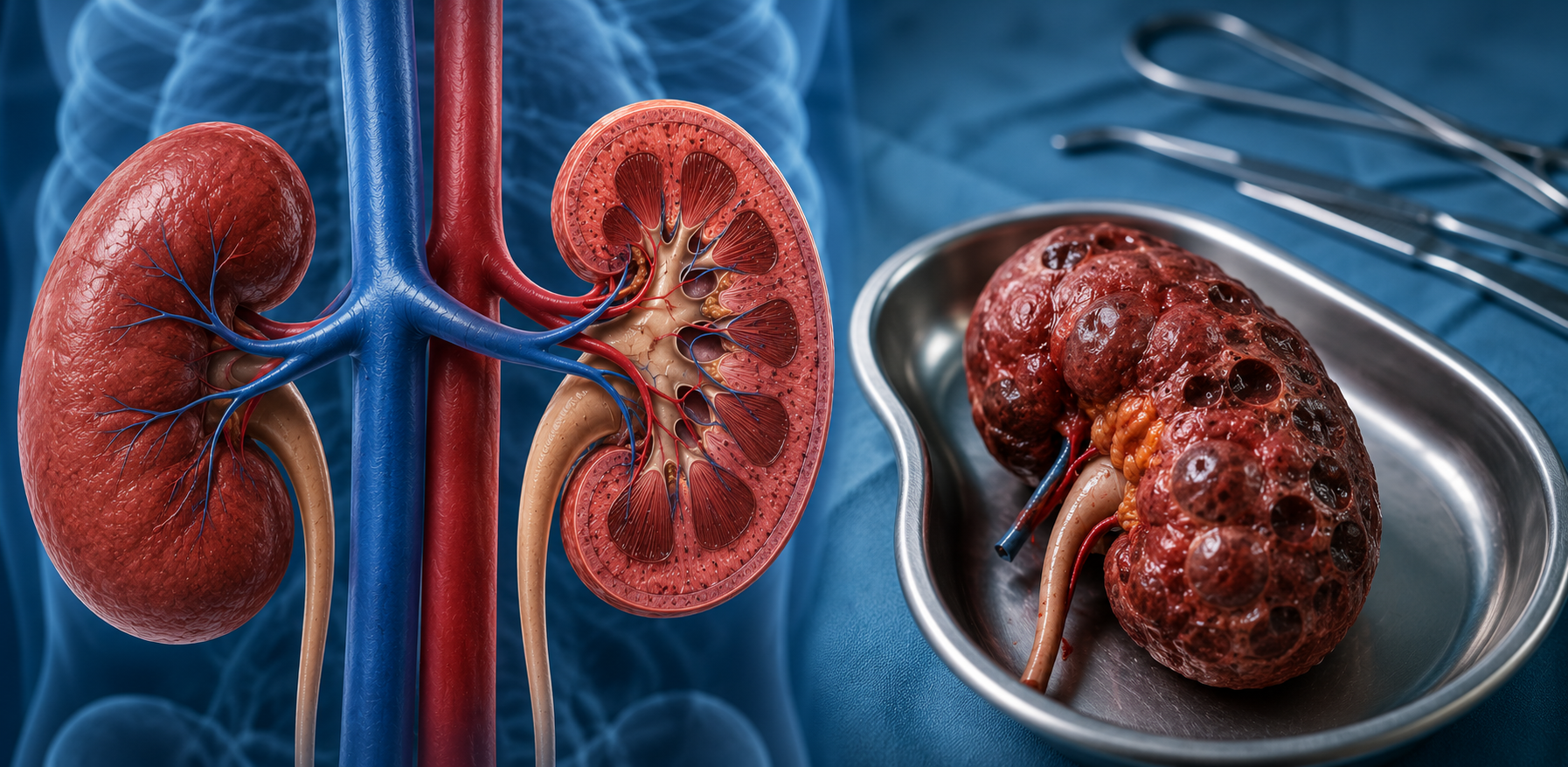
Chronic kidney infections are often underestimated until they progress to irreversible damage. Among these, chronic pyelonephritis stands out as a condition that can quietly deteriorate renal function over months or years. In advanced cases, the affected kidney may lose functionality entirely – leaving surgical removal, or nephrectomy, as the only viable treatment. Recent clinical observations and published case reports highlight how delayed diagnosis and persistent infection can lead to this outcome, emphasizing the importance of early intervention and structured management. Understanding Chronic Pyelonephritis Chronic pyelonephritis is a long-term inflammatory disorder of the kidney caused by recurrent or persistent bacterial infections. Unlike acute infections, which present with sudden and severe symptoms, chronic cases develop gradually and are often linked to structural abnormalities or urinary obstruction. Over time, repeated inflammation leads to renal scarring, tubular atrophy, interstitial fibrosis, and progressive loss of kidney function. Evidence from studies indexed by the National Institutes of Health shows that untreated or poorly managed infections can permanently alter renal architecture, ultimately resulting in functional decline (read the full study on PubMed Central). Why Do Kidneys Become Non-Functional? A kidney becomes non-functional when its filtration capacity is severely compromised. This is typically the result of prolonged pathological processes such as chronic infection, obstructive uropathy, hydronephrosis (urine accumulation causing swelling), renal calculi, and vesicoureteral reflux. Clinical insights suggest that obstruction combined with infection accelerates tissue destruction. In such cases, even interventions like drainage procedures may fail to restore function. A detailed clinical overview is available in this urology article on acute pyelonephritis. Further supporting research can be explored through studies published on ScienceDirect and Oxford Academic (OFID). Clinical Presentation: Subtle but Progressive One of the challenges in managing chronic pyelonephritis is its often non-specific presentation. Patients may experience persistent dull flank pain, recurrent fever episodes, fatigue, dysuria, and occasionally hematuria. As renal function declines, symptoms become more pronounced. However, by this stage, significant and often irreversible damage may already have occurred. Case Insight: Chronic Pyelonephritis Leading to Nephrectomy A case report published in the Journal of Pharmaceutical Research International provides a clear illustration of disease progression and management (read the full case report here). Patient Profile A 45-year-old male presented with a four-month history of abdominal pain localized to the left loin region, radiating toward the back. The pain was insidious, intermittent, and progressively worsening. The patient had previously undergone percutaneous nephrostomy (PCN) for severe hydronephrosis. Despite initial intervention, symptoms persisted and renal function continued to decline. Diagnostic Evaluation The diagnostic workup included ultrasonography and contrast-enhanced computed tomography (CECT). Imaging findings confirmed gross hydronephrosis, severe structural damage, and a non-functioning left kidney. These findings indicated irreversible renal impairment, making surgical intervention necessary. Nephrectomy: Indications and Rationale Nephrectomy, the surgical removal of a kidney, is typically considered when the risks of retaining a diseased organ outweigh its benefits. Common indications include non-functioning kidney, chronic infection resistant to treatment, severe obstruction, recurrent stone disease, traumatic injury, and malignancy. In cases of chronic pyelonephritis, nephrectomy helps eliminate the source of infection, prevent systemic complications, and relieve persistent pain. Surgical Management and Post-Operative Care In the reported case, the patient underwent a left simple nephrectomy. Post-operative management focused on infection control, pain relief, and gastrointestinal protection. Treatment included broad-spectrum antibiotics such as piperacillin–tazobactam, metronidazole for anaerobic coverage, proton pump inhibitors like pantoprazole, antiemetics such as ondansetron, and analgesics including tramadol and paracetamol. Close monitoring ensured stabilization and minimized the risk of complications. Outcome and Recovery The patient demonstrated a favorable recovery trajectory, with complete resolution of pain, no post-operative complications, and stable clinical parameters. This case reinforces that timely surgical intervention in advanced chronic pyelonephritis can lead to excellent outcomes when combined with appropriate medical care. Living with a Single Kidney Following nephrectomy, most individuals can lead normal and healthy lives with one functioning kidney. However, long-term care is essential. Patients are advised to maintain adequate hydration, monitor blood pressure, undergo regular kidney function tests, avoid nephrotoxic medications, and follow a balanced diet. Clinical evidence suggests that a single healthy kidney can effectively compensate for the loss of the other. Prevention and Clinical Implications Preventing chronic pyelonephritis depends largely on early detection and proper management of underlying conditions. Key strategies include prompt treatment of urinary tract infections, management of urinary obstruction, monitoring high-risk patients such as those with diabetes, and regular imaging in recurrent cases. From a clinical perspective, this condition highlights the importance of timely diagnosis, imaging, and intervention to prevent irreversible renal damage. Conclusion Chronic pyelonephritis remains a clinically significant condition with the potential to progress to irreversible kidney damage. When a kidney becomes non-functional, nephrectomy serves as a definitive and often necessary treatment. The presented case underscores the importance of early diagnosis, structured management, and timely surgical decision-making in improving patient outcomes. As research continues to evolve, emphasis on preventive care and early intervention remains essential in reducing the burden of chronic kidney disease. Reference National Institutes of Health. (n.d.). Chronic pyelonephritis and renal infection study. PubMed Central.https://pmc.ncbi.nlm.nih.gov/articles/PMC13097013/ Dr. Soarawee Urology. (2021, April 2). Acute pyelonephritis.https://drsoaraweeurology.com/2021/04/02/acute-pyelonephritis/ Elsevier. (2026). Article on renal infection and complications. ScienceDirect.https://www.sciencedirect.com/science/article/abs/pii/S0735675726000823 Oxford University Press. (2026). Study published in Open Forum Infectious Diseases.https://academic.oup.com/ofid/article/13/1/ofaf748/8417038 Morey, S. G., Sharma, R., & Ghungrud, D. (n.d.). Nephrectomy in patient of chronic pyelonephritis with non-functioning kidney on left side: A case report. Journal of Pharmaceutical Research International.https://journaljpri.com/index.php/JPRI/article/view/4850

When Chronic Kidney Infection Turns Irreversible: Why Nephrectomy Becomes Necessary in Non-Functioning Kidneys Read More »